The expensive part of a startup is often the month after you thought customers would start paying.
The product is nearly ready. Three people sounded interested. The software subscriptions have already renewed. Nothing has arrived in the bank.
Bootstrapping a startup means taking that gap seriously. You fund the early business with resources you control and, as soon as you can, money customers actually pay. The aim is to reach the next useful piece of evidence without running out of options.

What is bootstrapping, and what does it cost you?
A bootstrapped startup uses founder resources and business revenue to build and grow. Outside investors do not finance every next step. The founder keeps more ownership, but also carries more of the early financial pressure.
Stripe’s bootstrapping guide explains the central trade-off: independence and lean operations come with limits on capital and the pace of growth. That trade-off matters more than the label.
A service you can deliver this week is a different proposition from a product that needs expensive equipment, regulatory approval or a year of development before anyone can buy it. Bootstrap the first if the economics work. Do not force the second into a funding model simply because self-reliance sounds admirable.
For clarity, this guide treats loans separately. You can build without selling equity and still borrow, but borrowed money creates a repayment commitment. It is not the same as funding growth from sales.
Set a milestone small enough to finance
“Launch the business” is too vague to budget. “Deliver three paid onboarding audits to independent consultants” is something you can cost.
Write down the buyer, the result, the price you will test and what you must deliver. Then separate costs into three groups:
- Required to trade responsibly: registration where required, essential insurance, contracts, secure handling of customer information and the tools needed to deliver.
- Required for this specific sale: materials, payment fees, delivery time and any specialist work.
- Useful later: a larger website, elaborate automation, a bigger software stack or a brand campaign.
The third group is where apparently sensible purchases accumulate. Put each item beside a customer problem it solves now. If you cannot name the problem, leave the purchase until your next review.
Calculate cash runway with money you can actually use
Cash runway is the time your available cash can support the business at its current rate of cash loss. A rough calculation divides available business cash by monthly net cash burn. It is a planning estimate, not a promise that every month will behave the same way.
Here is a worked example, not a RelayMe customer result.
A founder commits €6,000 to a small service business. After €900 of setup costs, €5,100 remains. Monthly operating costs and a modest founder draw total €1,500. Customers pay €600 a month, leaving net cash burn of €900. At that steady rate, the remaining cash covers roughly 5.7 months.
Now change one assumption. If those customer payments arrive a month late, the first month consumes €1,500, not €900. An invoice is not money available to pay rent.
Keep a weekly cash forecast for the next 13 weeks. Start with the bank balance, add expected receipts on realistic payment dates and subtract bills when they fall due. Show tax reserves, refunds, delivery costs and the minimum amount you need to keep operating. Keep household emergency money separate from the amount committed to the business.
A founder who leaves their own living costs out of the calculation has made the spreadsheet cheaper, not the business.
Sell the smallest useful result
The minimum viable product should be small enough to test and complete enough to be worth paying for. It does not have to resemble the eventual company.
Suppose you want to build a platform that helps tutors prepare lessons. Before building accounts, a content library and a subscription engine, offer a clearly scoped lesson-planning pack to a few tutors. Explain what they receive, when they receive it and how support works. Deliver it manually if that is feasible and secure.
You are testing whether the result matters. You are also learning what it costs to produce.
Record the delivery hours. A €150 sale that requires 12 hours of work gives you different information from a €150 sale that takes two. Both count as revenue; only one may support the business you have in mind.
Founderpath’s guide emphasises early paying customers and cash discipline. The useful question to carry into your own test is narrower: would this buyer pay again for the same result, without a special favour or an unrepeatable discount?
Give interested people one clear place to act
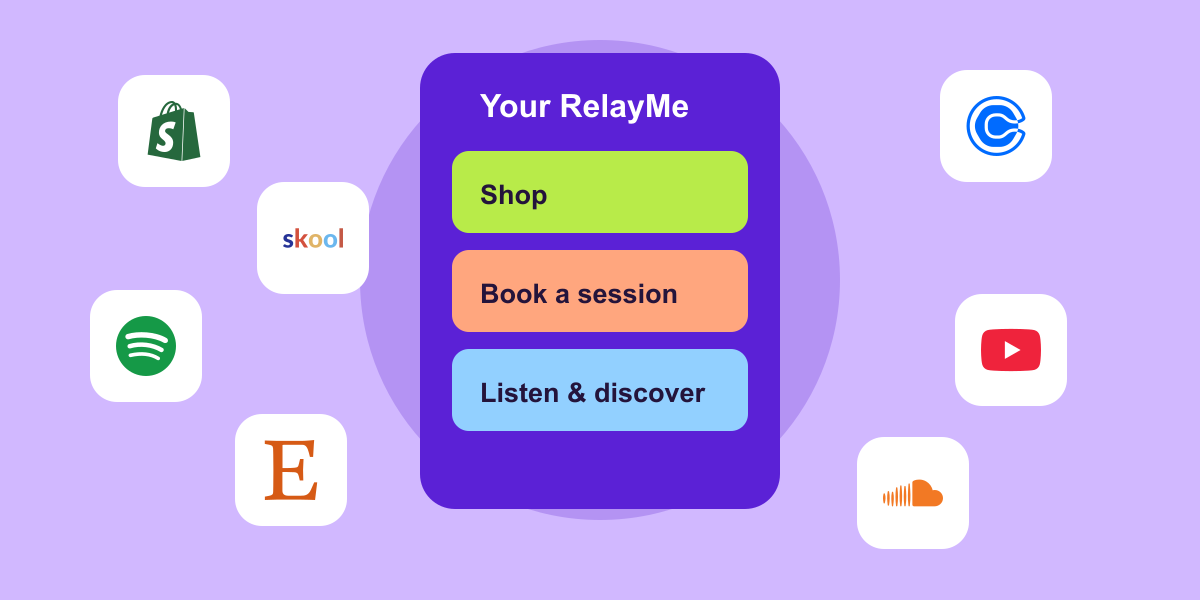
You do not need every page of a future company website to test an offer. You do need a credible destination that answers what you do, who it is for and what happens next.
A simple RelayMe page can bring together your offer, a sample, a shop link and a booking link. Ordinary links are free, including links to Shopify, Etsy, Calendly, music and video services. A visitor can inspect the work and move to the relevant service without searching through your social posts.
Start with the action that matters most. For a consultant, that might be “Book a 20-minute fit call”. For a maker, it might be “See the first collection”. Keep your price, delivery conditions and contact route clear wherever the transaction takes place.
RelayMe Pro adds capabilities such as a custom FAQ section and supported API connectors. Use a connector when it solves an actual job: connected Calendly availability, for example, is different from simply adding a free booking link. Check current integration availability before planning around a connector. Purchases still happen in your shop; RelayMe does not replace its checkout.
Reinvest against a bottleneck, not a mood
The first payment can make a founder feel suddenly able to buy everything postponed. Pause long enough to separate revenue from money left after delivery and obligations.
Ask what is preventing the next good sale. If enquiries are arriving but booking is awkward, fix the booking route. If delivery takes too long, document the repeated steps before buying an automation tool. If people do not understand the offer, another subscription will not explain it for you.
Wise’s startup guide discusses reducing overheads, testing a small product and reinvesting revenue. Apply those ideas with a concrete rule: every new recurring cost needs an owner, a purpose and a review date.
A first-month plan you can adjust
Week one: price the test. Choose one buyer group and one paid result. Make the cash forecast. Decide in advance how much money and time you can commit before reassessing.
Week two: have the conversations. Speak with prospective buyers about how they handle the problem now. Show the offer only after you understand the existing process. Record objections in their words.
Week three: deliver a small paid version. If someone buys, keep the scope visible and ask what they expected at the start. If nobody buys, examine the audience, urgency and offer before adding features.
Week four: review the evidence. Compare cash received, delivery effort and repeat interest with your original assumptions. Choose one next experiment. Do not roll every unfinished idea into another month of spending.
Some businesses need longer sales cycles. The point of this timetable is to create decision dates, not to promise a first sale in four weeks.
When bootstrapping stops being the sensible choice
Watch for a business that only appears viable because you work indefinitely without pay, defer essential controls or use personal money beyond the limit you set. Those are reasons to revisit the model.
Outside funding can be appropriate when there is a credible opportunity and a clear use for the capital. A smaller offer, a slower launch or stopping a weak idea can also be appropriate. Keeping ownership is valuable only if the business is worth owning and you can sustain the work.
For today, make the next step modest: put one offer, one piece of evidence and one clear action in front of a real buyer. Then return to the cash forecast. The page makes the offer easier to find. The customer response tells you what to build next.
Researched 14 October 2026. The cash example is for planning education, not a forecast or individual financial advice.